

Last Updated: July 2026
ARAM gets called the chill mode right up until your team drafts four poke champions, nobody wants to stand in front, and the enemy Malphite finds five people with every ult.
This League of Legends ARAM guide is about avoiding that mess without turning the lobby into a job interview. You’ll learn how to shape a useful comp from random Champion Cards, spend gold at the right time, fight around health relics, and finish games while everyone still wants to queue another.
Quick answer: Build a team with frontline, reliable damage, wave clear, and utility. Buy against the five champions in front of you, not a default build. Share relics, die before a major fight when you’re holding a pile of gold, and hit the tower after you win.

Table of Contents
- Know which ARAM you queued
- Build an ARAM team, not five solo picks
- Nine ARAM tips that win more games
- Play the three ARAM maps correctly
- Keep the game competitive without killing the vibe
- FAQ
Know Which ARAM You Queued
Standard ARAM is a permanent 5v5 queue. The current version gives every player two or three random Champion Cards and sends the unused options to a shared bench. Your lobby then loads one of three maps—Howling Abyss, Butcher’s Bridge, or Koeshin’s Crossing—with an equal chance for each, according to the current League of Legends Wiki ARAM reference.
ARAM: Mayhem is a separate queue built around augments. Riot still updates it heavily; the Patch 26.15 notes changed Mayhem champion modifiers and augments as Season 3 began on July 29. This guide focuses on standard ARAM, where team composition, item choices, waves, and clean fights matter more than augment high rolls.
You also can’t treat the bridge like Summoner’s Rift with fewer lanes. There’s no normal recall loop. You buy after dying, sustain is limited, and every wave arrives in the same corridor. That makes health, gold, and tempo team resources—even when all five players queued for a relaxed game.
Build an ARAM Team, Not Five Solo Picks
The Champion Cards made ARAM less helpless than the old one-roll-and-pray system. Riot’s ARAM map and Champion Card explainer says the unused card goes to the bench, so the whole team gets more ways to repair the draft.
Use that freedom to cover jobs:
| Job | What it gives your team | Common draft mistake |
|---|---|---|
| Frontline or engage | Space to walk up and a clear way to start | Five ranged champions with no answer to a dive |
| Sustained damage | Damage after the first spell rotation | All burst, no way through two tanks |
| Wave clear | Time to reset and protection from a siege | Losing towers while waiting for a perfect fight |
| Utility | Shields, healing, peel, or reliable crowd control | More damage when the team already has enough |
| Flexible fifth | A second engage, carry, or counter to the enemy shape | Picking for a tier list instead of the actual lobby |
I believe one willing tank improves more ARAM drafts than one supposedly “broken” poke pick. Frontline lets your carries walk up, gives your support a target, and turns five separate players into a team with a first move.
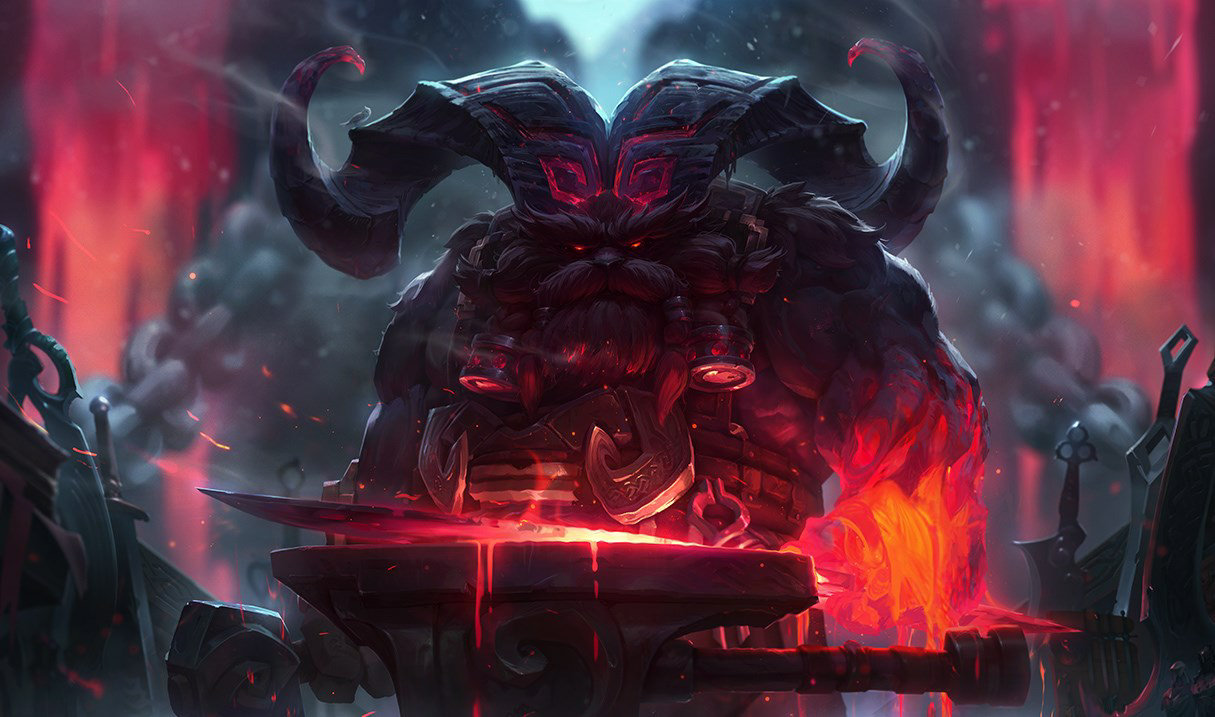
Don’t bully someone into a champion they hate. Ask once—“Anyone comfortable on Leona or Ornn?”—then work with the answer. If nobody wants frontline, keep champions with disengage, shields, traps, or strong wave clear and play the comp you actually have.
This is also where a premade helps without making the queue sweaty. One friend can cover engage while the other takes reliable damage, and both already know what “go on the next wave” means. If you want to sharpen that coordination, play with a League coach or teammate on Tapin and practice calls that still work when the other three picks are random.
League of Legends ARAM Guide: 9 Tips That Win More Games
1. Use the Bench Until the Last Seconds
Don’t lock your brain onto the first familiar champion. Read all ten available cards, watch what teammates are hovering, and ask what the final team lacks.
A clean swap in the last 15 seconds can turn five damage dealers into a real comp. Just don’t snipe a benched champion that someone clearly intends to take back without asking.
2. Buy for the Enemy Five
Recommended items can’t read the entire lobby as well as you can. Check whether the enemy damage is mostly physical or magic, who heals, who shields, and whether one carry is doing all the work.
The right anti-heal, armor, magic resistance, or percentage-health damage item matters more than copying a generic build. ARAM also has mode-specific balance modifiers and items, so read the in-client tooltip before assuming a Summoner’s Rift build transfers perfectly.

⚡ Quick check on every death: Who is killing me? Who is my damage bouncing off? What purchase changes the next fight?
3. Treat Health Relics Like Team Objectives
A relic heals in an area after it’s triggered. If one healthy player grabs it while three low teammates are walking over, the team loses a reset it may not get back before the next fight.
Ping the timer, group inside the heal, and contest the enemy-side relic only when your team can leave safely. The pickup is useful; donating two kills for it is not.
4. Give Melee Champions a Way In
Mark/Dash, better known as Snowball, lets melee champions threaten backliners without spending half the fight walking through poke. Land it on the target you actually want—or on a nearby minion when that angle gets you past the frontline.
The second cast is a commitment. Check whether your teammates can follow before you launch into five people and discover that your highlight clip has become a grey screen.
5. Control Brushes Before You Need Them
Brush control changes how much room the enemy has. An unseen engage champion forces carries backward; an unseen poke champion changes where they can stand.
Use safe abilities to check, walk in behind your frontline, and punish anyone face-checking alone. Never spend half a minute hiding while your team loses the wave four-versus-five. The brush creates pressure only when the enemy believes you can act.
6. Die With a Purpose
Holding 3,000 gold while sitting at 10% health can make you weaker than the freshly respawned enemy you just killed. You need a shopping window before the next decisive fight.
That doesn’t mean sprinting under tower on cooldown. Clear the wave, spend enemy cooldowns, deal useful damage, then take a death the other team can’t convert into your turret. The worst timing is dying alone just as four teammates return.

7. Clear the Wave Before Chasing
Minions let you damage turrets. They also stop your team from losing structures while three people chase a low-health tank into fog.
After a fight, ask one question: Can we hit the tower now? If yes, clear the wave and push. If no, take space, use the next relic, and set up the next fight instead of scattering.
8. Track the One Ultimate That Changes Everything
You don’t need a spreadsheet of ten cooldowns. Identify the enemy spell that decides the fight—Malphite’s engage, Amumu’s lockdown, Karthus’s global damage, or a reset carry’s first takedown—and play around it.
Call “Malphite R down” once, then use that window. Your team has a much easier job when everyone respects the same threat instead of five players tracking five different things.
9. End When You Can
ARAM produces fake comebacks because winning teams stop hitting structures. They fountain-dive, donate shutdowns, and let a scaling comp buy two full items.
If the Nexus is open, hit it. You can keep the vibe fun and still finish the game you earned. The next queue starts faster when nobody has to watch a four-minute victory lap.
Play the Three ARAM Maps Correctly
Riot designed the expanded map pool to preserve ARAM’s one-lane identity while adding small terrain differences. The official map breakdown remains the cleanest reference for those differences.
Howling Abyss is the baseline: straight approaches, familiar brushes, health relics, and hexgates that move you back toward the fight. Positioning and wave control are easy to read, which makes sloppy overextensions easier to punish too.
Butcher’s Bridge adds cannon travel and its own interactive elements. Before firing in, look at where you’ll land and whether your team can reach the same fight. Fast travel is not the same as a good engage.
Koeshin’s Crossing uses Bloom Portals and terrain that creates different approach angles. Treat portals like any other mobility tool: check the destination first, then move as a group. A creative flank only works if someone else is ready when you arrive.
The map changes; the win condition doesn’t. Protect the wave, take clean fights, and convert kills into towers.
Keep the Game Competitive Without Killing the Vibe
Good ARAM comms are short. “Wait for five,” “relic in ten,” “Malphite ult down,” and “hit tower” all help. A three-minute explanation of why somebody’s build is wrong does not.
If you’re learning unfamiliar champions, the League beginner champion guide can help you build a wider comfort pool. If your group wants more structured coordination, the League duo queue guide turns the same clear-call habits into ranked wins.
Celebrate the ridiculous plays. Don’t spam-ping mistakes. Try to win, then let the loss go when the random draft produces something cursed.
That balance is the whole point: play seriously enough that your teammates get a real game, but lightly enough that everyone wants another.
League of Legends ARAM Guide FAQ
What does ARAM mean in League of Legends?
ARAM means All Random, All Mid. Two teams of five choose from random Champion Cards and fight down one lane until one Nexus falls.
How do Champion Cards work in ARAM?
Each player receives two random champions, with a possible third option. Unused choices move to the shared bench, where teammates can pick them, giving the team more control over its final composition than the old reroll system.
What makes a good ARAM team composition?
A reliable comp usually has frontline or engage, sustained damage, wave clear, and utility. The fifth slot should cover whatever the draft lacks rather than adding a fourth version of the same job.
When should you die to buy items in ARAM?
Look for a death after clearing the wave and before the next major fight, especially when you’re low health and holding enough gold for a meaningful purchase. Avoid dying alone when the enemy can immediately take your turret.
Is ARAM: Mayhem the same as standard ARAM?
No. ARAM: Mayhem is a separate queue with augments and its own balance updates. Standard ARAM keeps the core one-lane format and puts more weight on composition, items, wave control, and teamfight execution.
Random champions don’t remove decision-making—they just force you to make faster decisions with unfamiliar tools. Draft for jobs, spend for the lobby, share resources, and hit structures when the fight is won.
Want a teammate who can keep the calls clear without turning ARAM into a lecture? Find a League of Legends player on Tapin and make the next bridge run feel like a team game.