
Last Updated: July 2026
Fortnite tournaments can look confusing from the outside: dozens of event cards, different rank gates, region locks, and rules that change from one cup to the next. The good news is that entering most official Fortnite tournaments happens inside the game. The hard part is knowing which event fits you and clearing its requirements before the session opens.
This guide covers the active 2026 formats, the current FNCS path, eligibility, scoring, and the exact steps to queue. Epic can reschedule events, so treat the official Fortnite Competitive schedule{:target="_blank"} and your in-game Compete tab as the final word on local times.
Quick Answer: How Do You Enter Fortnite Tournaments?
Open Fortnite, go to the Compete tab, choose an event, and inspect its Details panel. That card shows the mode, region, session window, rank requirement, and anything stopping you from queueing.
Before tournament day:
- Enable 2FA on your Epic account.
- Confirm your age, account level, rank, region, and platform meet that event's rules.
- Read the event-specific rules instead of assuming every cup uses FNCS requirements.
- Party with the required teammate or teammates.
- Return during the session window, select the tournament playlist, and queue.
⚠️ Watch Out: A lock icon usually means you missed a specific requirement. Open the event card and read the listed reason before changing random account settings.
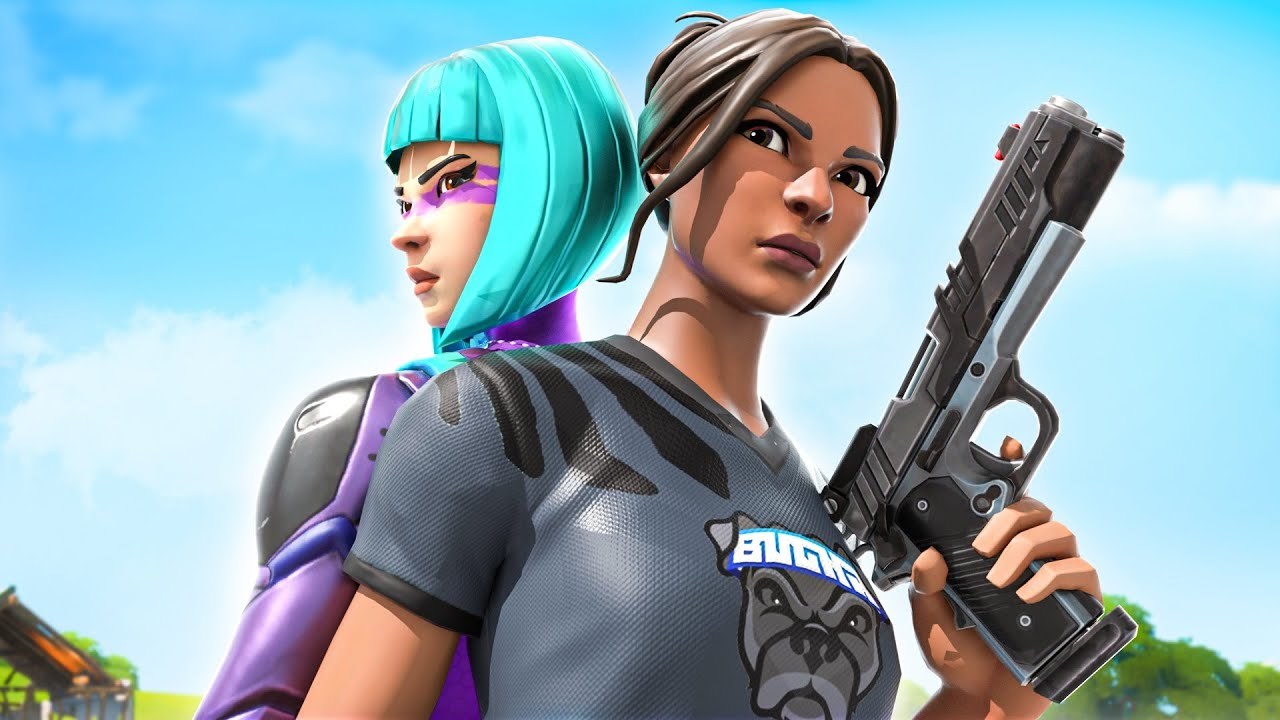
Many 2026 competitive paths use duos, so teammate preparation matters before the queue opens.
Fortnite Tournament Formats in 2026
Fortnite does not have one universal tournament format. Chapter 7 Season 3 includes several lanes for different modes, ranks, platforms, and goals, according to Epic's May 2026 competitive update{:target="_blank"}.
| Format | Team size or mode | What it tests |
|---|---|---|
| Ranked Cups | Solo, duo, or mode-specific | Placement and eliminations in a timed session |
| Solo Victory Cups | Solos | Advancing, then converting a Victory Royale |
| FNCS Divisional Cups | Duos Battle Royale | Climbing into higher FNCS divisions |
| FNCS Majors | Duos Battle Royale | Multi-stage qualification into regional finals |
| Reload Elite Series | Duos Reload | Open qualifiers into heats, finals, and a LAN |
| Platform or special cups | Varies | Console, PlayStation, mobile, creator, or community events |
Ranked Cups are useful tournament reps because they put you into a fixed session with a leaderboard and real pressure. Victory Cups raise the stakes by making the win itself decisive in later rounds. FNCS is the structured championship path, while Reload, mobile, platform, and community events run alongside it.
Do not build your month around a screenshot from social media. Check the event card again on the day you play; region-specific schedules and eligibility can move.
The Fortnite Competitive Schedule for the Rest of 2026
As of July 25, FNCS Major 2 is in progress. The official FNCS 2026 overview{:target="_blank"} lists this remaining schedule:
- July 24–26: Major 2 Heats
- July 27–28: Major 2 Last Chance Qualifier and Lobby
- August 1–2: Major 2 Finals
- August 3–5: Global Championship Last Chance Qualifier 1
- August 7–9: Global Championship Last Chance Qualifier 2
- August 14: Global Championship Last Chance Finals
- September 26–27: $2,000,000 Fortnite Global Championship in Antwerp
- October 2026: standalone online FNCS Solos tournament, with format details still to come
The top 25 duos from Major 2 earn Global Championship spots. The online Global Championship Last Chance tournament then fills the final 10 duo spots.
FNCS is not the whole calendar. Ranked Cups, Solo Victory Cups, Zero Build events, PlayStation Cups, Mobile Series, community events, and other limited cups appear throughout a season. Use the official schedule filters for your region, then confirm the exact session in-game.
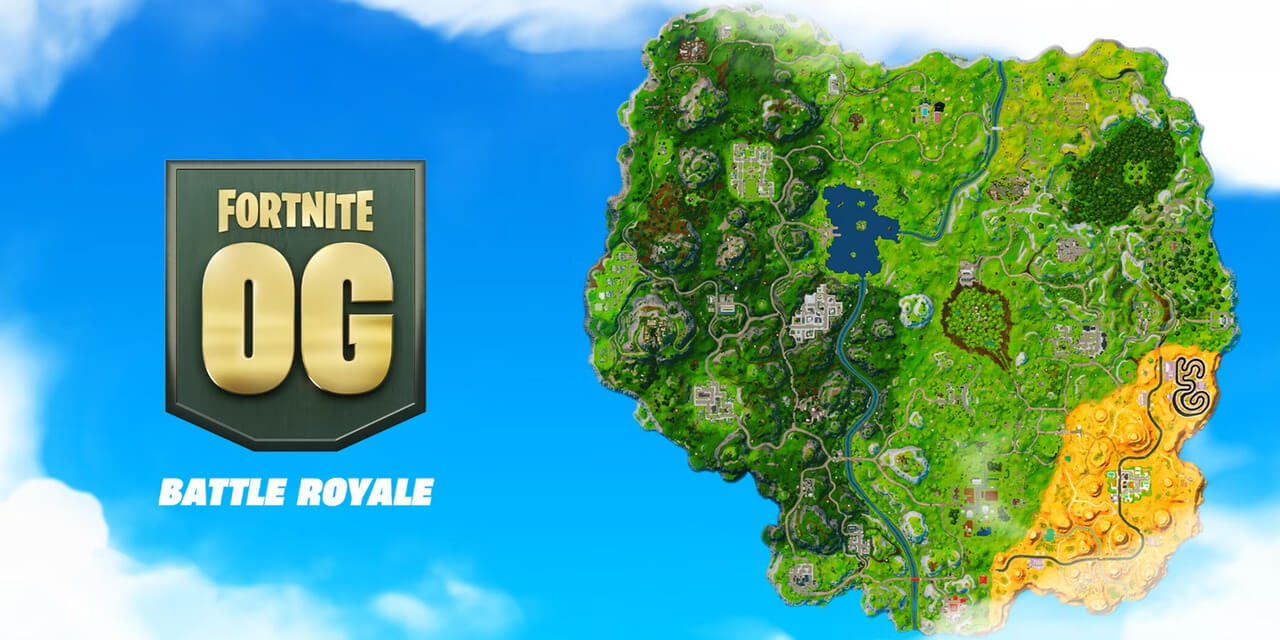
The live map changes, but the tournament habit stays the same: agree on drops, surge plans, and late-game rotates before the session.
Fortnite Tournament Requirements: What You Need
Eligibility is event-specific. A Ranked Cup can have a different rank or platform gate from FNCS, so always open the current rules in Epic's Fortnite Competitive Rules Library{:target="_blank"}.
For FNCS 2026, Epic's official rules require:
- You must be at least 13 years old, or older if your country requires a higher minimum age.
- Minors need permission from a parent or legal guardian.
- Cabined Accounts cannot compete in FNCS.
- Two-factor authentication must be enabled.
- Your Epic account must be in good standing and registered in your name.
- Your account must be level 350 or higher.
- You must have played at least 14 distinct Epic tournaments in the previous 180 days.
- You must use one account and follow the event's region-lock rules.
The FNCS Divisional path adds competitive gates. Epic says players need Gold rank to enter the lowest FNCS Division, while both members of a duo must reach FNCS Division 1 to enter a Major Play-In.
These are FNCS rules, not a shortcut for checking every cup. A special cosmetic event, platform cup, or Ranked Cup may use another account-level, rank, device, or tournament-history requirement.
How FNCS Scoring and Advancement Work
FNCS rewards both survival and eliminations, but the values change by stage. Under the 2026 FNCS rules{:target="_blank"}, a Play-In Victory Royale is worth 65 placement points and each elimination is worth two points.
Heats change the pressure completely. A Heat Victory Royale awards 1,000 points and sends that duo straight to the Finals; remaining Finals spots go to the highest-scoring eligible teams. Eliminations are worth three points in Heats and four in Finals.
The practical lesson is simple: do not play every stage like a Ranked match. In Play-Ins, steady placement across the session builds a leaderboard score. In Heats, a clean win can end your qualification chase immediately. Know the scoring page before game one.
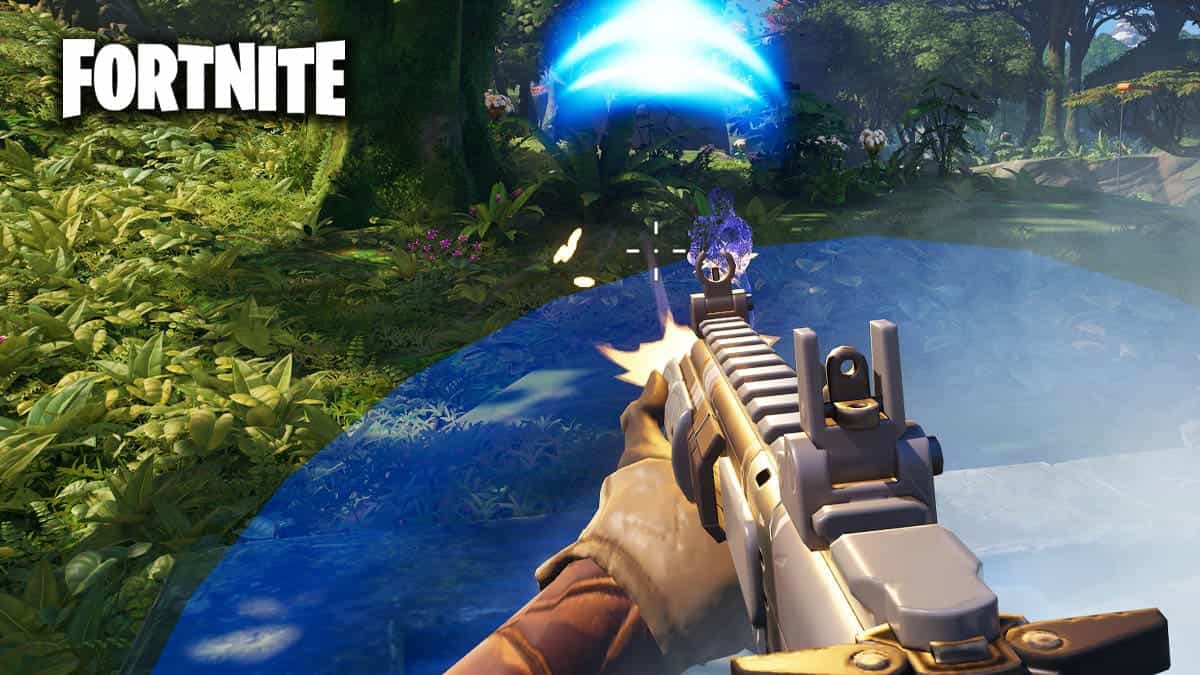
Tournament fights need a purpose: protect placement, claim a refresh, or remove a team blocking your rotate.
Prepare for Your First Fortnite Tournament
Mechanics matter, but most first-cup disasters start before the first shot. A duo changes drop spots after one bad game, nobody tracks the queue timer, or both players carry the same utility.
Use this short prep routine:
- Pick one primary drop and one backup.
- Decide who leads rotates and who confirms fights.
- Use exact callouts: damage, enemy count, materials, heals, and next move.
- Set a rule for disengaging instead of arguing mid-fight.
- Review the leaderboard only at planned breaks.
- Queue early enough that a client update or party issue does not end your session.
If your loadout decisions are shaky, review our Fortnite weapons and loadout guide. For team comms, use the callout structure in our Fortnite duos teamwork guide.
I believe consistency beats one highlight game in open sessions. Your duo should leave every loss with one change for the next queue—not five minutes of blame.
Need a reliable practice partner before the next cup? Book Fortnite coaching on Tapin and work on drop plans, rotations, and tournament comms with someone who can review the mistakes in real time.
Fortnite Tournaments FAQ
Can anyone enter Fortnite tournaments?
Many official cups are open through the in-game Compete tab, but "open" still means eligible. Age, 2FA, account level, rank, platform, region, and prior tournament requirements can apply.
Why is a Fortnite tournament locked for me?
Open the event card's Details panel. The usual causes are a missing rank, disabled 2FA, an account-level gate, the wrong party size, a platform restriction, or joining outside the session window.
Do Fortnite tournaments cost money to enter?
Epic-run in-game tournaments generally do not charge an entry fee. Third-party tournaments can have their own terms, so verify the organizer, rules, and payment conditions before sharing account information.
How old do you need to be for Fortnite tournaments?
FNCS requires players to be at least 13, or older where local law requires it. Minors also need permission from a parent or legal guardian.
Where can I see today's Fortnite tournaments?
Check Fortnite's Compete tab first because it shows your region and local session windows. Use the official Competitive schedule for planning, then trust the live in-game card on tournament day.
Your Next Tournament Starts Before Queue Time
Pick the right event, clear every requirement, read its scoring, and practice the exact format with your teammate. Then open the Compete tab, confirm the live session, and play your plan.
Get tournament-ready with a Fortnite coach on Tapin before your next cup.