
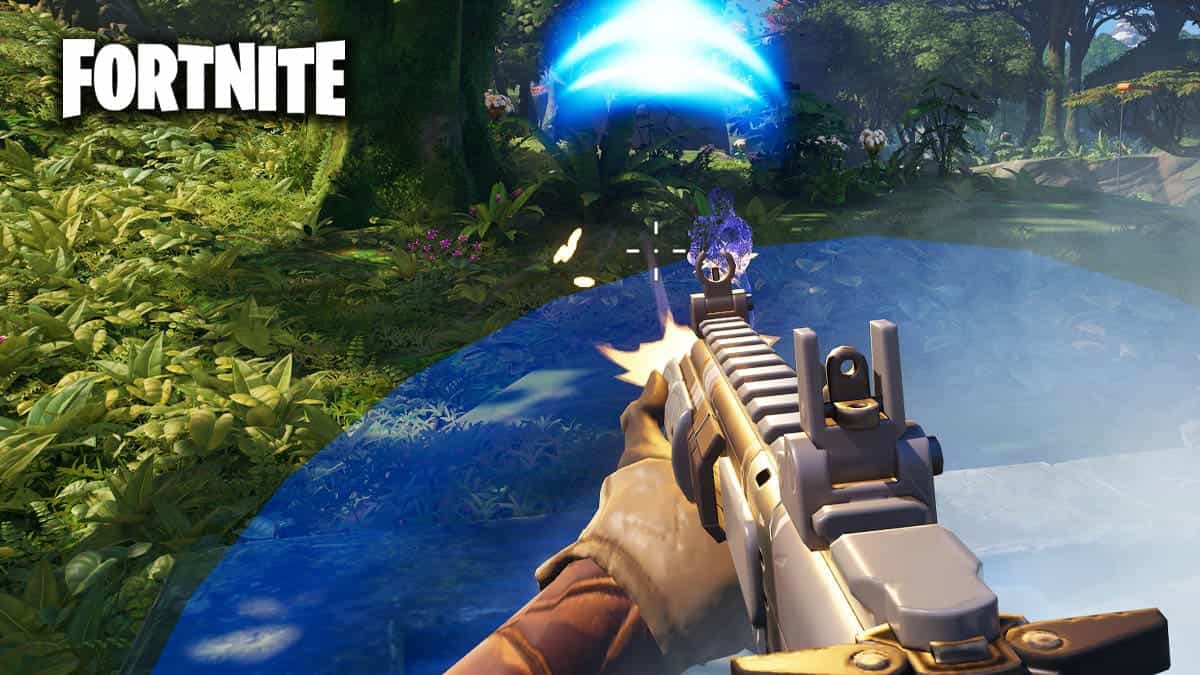
Last Updated: August 2026
Missing one shotgun shot can erase five minutes of smart looting. The fix is not another hour of firing at random bots. Fortnite aim training works when every drill has a purpose, a timer, and a score you can compare tomorrow.
This routine is current for Fortnite v41.30 and Chapter 7 Season 3: Runners. It takes 20 minutes: five minutes each for tracking, shotgun crosshair placement, and mid-range control, followed by three minutes of realistic fighting after a two-minute calibration.
⚡ Quick answer: Keep one sensitivity, use a current Creative aim map, record a baseline, then train tracking, shotgun shots, target switching, and a live duel in that order. Stop after 20 focused minutes and queue while your hands are warm.
Table of Contents
- Pick a Fortnite aim training map
- Lock your settings before practicing
- Run the 20-minute routine
- Practice with the current weapon pool
- Measure improvement for seven days
- Add a teammate to the final drill
- Fix common practice mistakes
- Read the FAQ
Pick a Fortnite Aim Training Map
Do not burn half your practice block browsing Discover. Choose one island that fits your mode, favorite it, and stay there long enough to learn its drills.
These live listings cover three useful setups:
| Creative island | Code | Use it for |
|---|---|---|
| Edit, Aim, Piece Practice{:target="_blank"} | 2559-8530-8915 | Aim reps mixed with edits, piece control, and freebuilding |
| Piece Moving Bots + Aim Edit Warmup{:target="_blank"} | 9510-9643-4467 | Moving bots, prefires, awkward peeks, and bot or player 1v1s |
| Aim Training Zero Build{:target="_blank"} | 7299-0398-6565 | Zero Build precision, reactions, tracking, and 1v1 practice |
Epic’s island pages show the current names and codes. In Fortnite, open Discover → Search, enter the code, and select the matching creator before launching. Creative islands change, so recheck the official listing if a room, weapon, or drill moves.
Favorite one map so tomorrow’s practice starts with a timer, not a search.
I believe the moving-bot map is the cleanest starting point for Build players because it lets you connect aim to peeks. Zero Build players should use the dedicated island or any room that forces both you and the target to strafe.
Lock Your Settings Before Practicing
Changing sensitivity after every bad round makes your score meaningless. Take a screenshot of your current input settings and keep them for at least the seven-day test in this guide.
Before day one:
- Make sure your mouse DPI or controller look sensitivity matches what you use in Battle Royale.
- Match your ADS and scope settings instead of training with a map preset you never use.
- Keep the same reticle, display mode, resolution, and frame-rate cap.
- Change only one setting when the evidence is obvious: repeated overshoots, repeated undershoots, or stick drift.
Controller players can enable Advanced Options and adjust Aim Assist Strength through the path in Epic’s aim-assist support guide{:target="_blank"}. If you use gyro, Epic notes that aim assist is disabled while gyro is active{:target="_blank"}; train with the input setup you actually take into matches.
Fortnite v41.00 also added Tweak Zone Aiming for controller, which turns tiny stick movements inside the normal dead zone into direct crosshair adjustments. Epic describes it in the official Runners update notes{:target="_blank"}. Test it in a separate block—do not switch it on halfway through your baseline.
The final three minutes work best against a person who can change the peek timing. If your regular duo is offline, practice with a Fortnite teammate or coach on Tapin and ask them to vary one angle while you keep the rest of the routine fixed.
Fortnite Aim Training Routine: The Full 20 Minutes
Set one 20-minute timer. Move on when each block ends, even if the last rep was ugly. The routine trains the shots Fortnite asks for instead of rewarding you for farming one comfortable scenario.
| Time | Drill | Score to record |
|---|---|---|
| 0:00–2:00 | Calibration and smooth crosshair movement | Overshoots in 20 target changes |
| 2:00–7:00 | Close- and mid-range tracking | Map accuracy or hits per attempt |
| 7:00–12:00 | Shotgun flicks and edit shots | Clean hits out of 20 reps |
| 12:00–17:00 | Burst control and target switching | Hits before the target escapes |
| 17:00–20:00 | Realistic duel or moving-bot fight | Fights won and first miss |
0:00–2:00 — Calibrate, Do Not Chase Speed
Move your crosshair between two targets without firing. Stop on center mass, hold for half a second, then move again. Count an overshoot whenever you pass the target and correct backward.
Start slow enough to land cleanly. The goal is not a highlight-reel flick; it is arriving once instead of wobbling across the target three times.
2:00–7:00 — Track While Both Players Move
Use a strafing bot and move in the opposite direction. Keep your crosshair on the upper torso for 30 seconds, rest for 10, then repeat. Fire during the next rounds and record the map’s accuracy if it provides one.
Run at least one close-range and one mid-range scenario. Fortnite fights constantly change distance, so stationary long-range beams alone will not fix the SMG fight happening inside your box.
Strafe while tracking. A motionless accuracy score does not reproduce a real Fortnite fight.
7:00–12:00 — Train the Shot Before the Flick
Place the crosshair where an opponent will appear, then open the edit or peek. Fire only after the target enters that space. Pre-aiming removes the giant rescue flick that makes shotgun aim feel inconsistent.
Complete 20 reps from both sides. Count clean hits, not total damage: one crosshair movement, one shot, no panic correction. If you miss, reset the angle instead of spraying until something connects.
12:00–17:00 — Control Bursts and Switch Targets
Use an AR, burst rifle, or pistol room with two or more moving targets. Fire a controlled burst, release, move to the next target, and reacquire. Do not hold the trigger through a lost crosshair.
Alternate near and far targets. This forces your eyes and hand to settle after a large camera movement—the exact moment players throw away an easy second elimination.
17:00–20:00 — Make It Fight Back
Finish with a realistic 1v1, aim duel, or moving-bot fight. Start each rep from cover and require movement, a peek, or an edit before the shot. Static targets build control; pressure shows whether the control survives.
After each loss, name the first miss: bad crosshair placement, rushed trigger, lost tracking, or movement that ruined your own shot. Fix that category tomorrow.
Match Your Drills to Fortnite’s Current Weapons
The current Runners pool gives you clear practice categories. Epic’s v41.00 notes describe the Extending Focus Shotgun as a three-round volley whose spread tightens with range, while the Surgical Burst Rifle uses low-recoil burst fire with minimal falloff. The returning pool also includes close-range options such as the Stinger SMG and Striker Pump.
Use the closest available Creative equivalent when an island has not updated yet:
- Shotgun block: crosshair placement, a clean first shot, then deliberate follow-up timing.
- Tracking block: sustained close-range pressure while you and the target strafe.
- Burst block: settle the reticle before each burst instead of dragging through recoil.
- Target-switch block: finish one threat, release the trigger, then acquire the next.
Patch v41.30 unvaulted the Spire Rifle and vaulted lower-rarity Chaos Exploder Rifles, according to Epic’s latest Battle Royale notes{:target="_blank"}. That is why the routine trains shot types, not one weapon that may disappear next update.
For the bigger improvement plan around mechanics, positioning, and review, pair this block with our seven ways to get better at Fortnite.
Measure Your Fortnite Aim Practice for Seven Days
One great score proves you had one great run. A trend proves the routine is working.
Use the same map, settings, drill order, and rough time of day for seven sessions. Record only four numbers:
- Tracking accuracy or hits per attempt
- Clean shotgun hits out of 20
- Overshoots during 20 calibration switches
- Realistic fights won out of five
Compare your day-one and day-seven averages. If tracking rises but realistic wins do not, the problem may be movement, peeking, or decision speed rather than raw aim. If calibration improves while shotgun hits stay flat, move your crosshair closer to the expected peek before you fire.
The score shows what changed; a second set of eyes can explain why.
⚠️ Do not change three things at once. Keep the routine stable, adjust one weak block, then collect another week of evidence.
When you are preparing for ranked, plug the routine into our Fortnite climb plan from Gold to Elite. The warm-up should support your games, not replace them.
Add a Teammate to Make the Drill Real
Bots repeat patterns. A teammate jiggle-peeks, delays a re-peek, changes elevation, and notices when you are staring at the floor before every fight.
Use the final three minutes as a live drill:
- Your partner chooses left or right peek without announcing it.
- You call the first miss after every rep.
- Your partner gives one observation, not five fixes.
- Switch roles after five attempts.
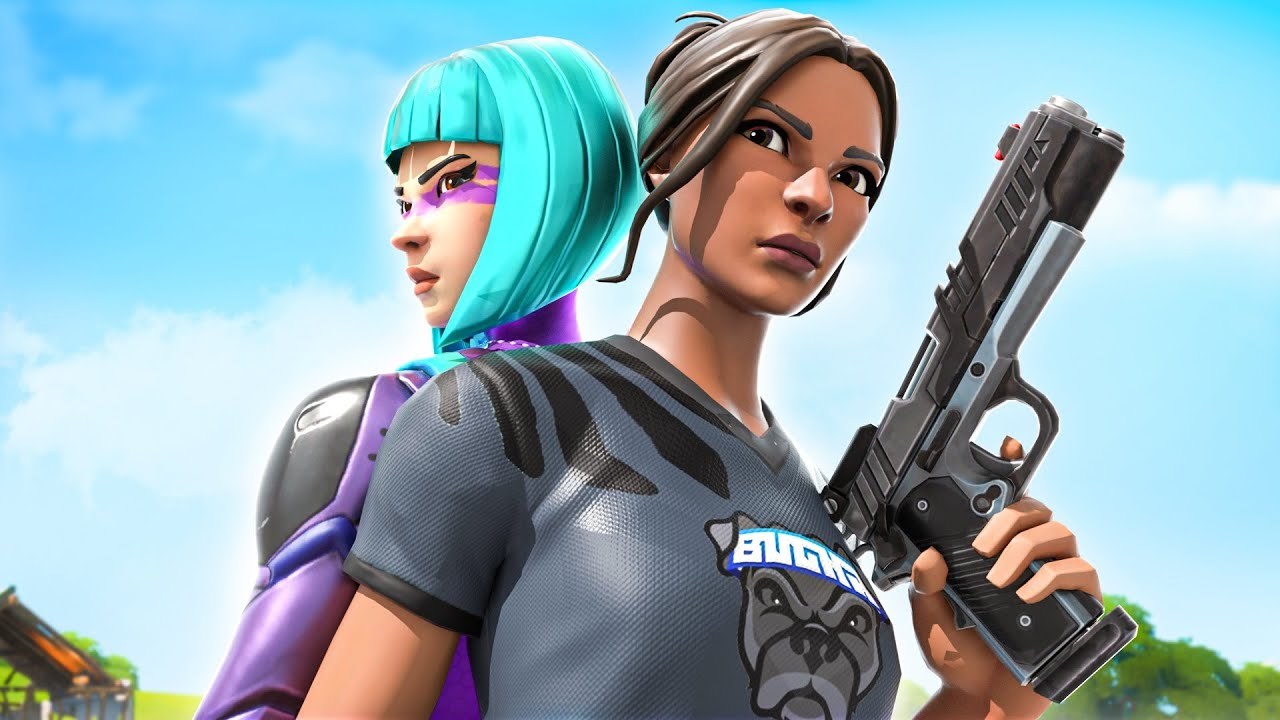
A good practice partner changes the timing and tells you what the scoreboard misses.
If your usual squad is offline, book a Fortnite teammate or coach on Tapin and bring your seven-day scores. Ask them to watch one shotgun block and one realistic duel, then give you the single correction that will matter most next session.
Ready for full-lobby pressure after the mechanics block? Our Fortnite scrims guide explains how to turn custom games into deliberate practice.
Four Fortnite Aim Training Mistakes
1. Copying a Pro’s Sensitivity Without Context
Their mouse pad, controller, grip, frame rate, and years of muscle memory are not yours. Use a pro setting as a test, not proof that your current setting is wrong.
2. Training Only Flicks
Flick drills look good and feel fast. Fortnite also demands sustained tracking, pre-aimed shotgun shots, recoil control, and target switching, so every daily block needs more than one skill.
3. Standing Still
A score earned with planted feet can collapse when you strafe, slide, jump, or peek. Add your own movement before increasing target speed.
4. Practicing Until You Are Sloppy
When your hand gets tense and your score falls for several rounds, stop. Twenty sharp minutes followed by real games gives you cleaner feedback than an hour of frustrated misses.
Fortnite Aim Training FAQ
How long should I aim train for Fortnite?
Start with 20 focused minutes before you queue. That is enough time to touch tracking, shotgun placement, target switching, and a realistic fight without turning the warm-up into your whole session.
What is a good Fortnite aim training map code?
Use 2559-8530-8915 for mixed aim and Build practice, 9510-9643-4467 for moving bots and peeks, or 7299-0398-6565 for Zero Build aim. Check the linked official Fortnite island page because Creative maps can change.
Should controller players use aim assist while training?
Train with the setup you use in Battle Royale. If you normally use aim assist, verify it is enabled in Advanced Options; if you use gyro, remember Epic says aim assist is disabled while gyro is active.
Should I use an external aim trainer or Fortnite Creative?
An external trainer can isolate mouse control, but Creative reproduces Fortnite movement, camera behavior, peeks, edits, and weapon timing. If you use both, finish in Fortnite so the final reps match the game.
How do I know if my Fortnite aim is improving?
Track the same four scores for seven sessions: tracking accuracy, clean shotgun hits, calibration overshoots, and realistic fights won. Look for a stable trend, then test whether those gains survive in ranked or scrims.
Queue While the Reps Are Fresh
Use one map, one settings baseline, and one scorecard. Track for five minutes, clean up the shotgun shot, control your mid-range bursts, then make the final three minutes fight back.
Run it for seven days before you judge it. Good Fortnite aim is not magic—it is a stack of clean reps you can measure.